

Addictlab Academy at the AI for Good Youth Zone July 8 & 9
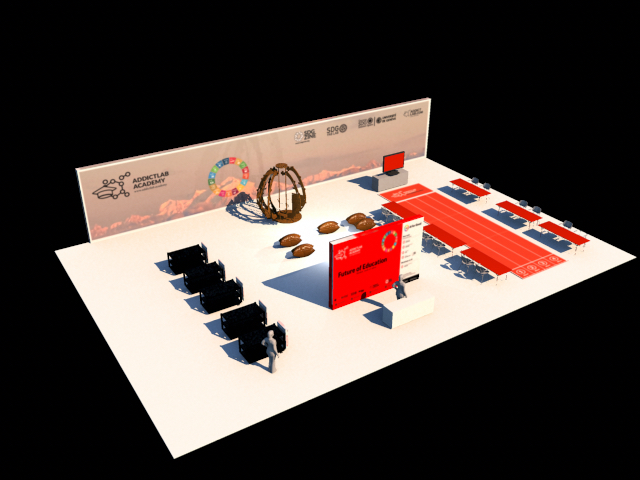
At the 2025 AI for Good Global Summit in Geneva, Addictlab and its flagship publication, SDGzine, will showcase their innovative approach to sustainability education and creative collaboration.
At the AI for Good Global Summit in Geneva, Addictlab and SDGzine will present hands-on activities that explore the intersection of Artificial Intelligence and the Sustainable Development Goals (SDGs). One key highlight is the Micro:bit AI program, where participants use the Micro:bit microcontroller to prototype simple AI-driven solutions addressing real-world challenges—from climate action to health monitoring.
These interactive workshops engage attendees of all ages in creative problem-solving through coding, sensors, and data analysis, offering a tangible introduction to AI’s potential for social good. Participants can build projects like smart environmental sensors, AI-powered communication tools, or assistive tech aligned with the SDGs—showcasing how accessible tools can spark innovation and global citizenship from the ground up.
Machine Learning with Micro:bit
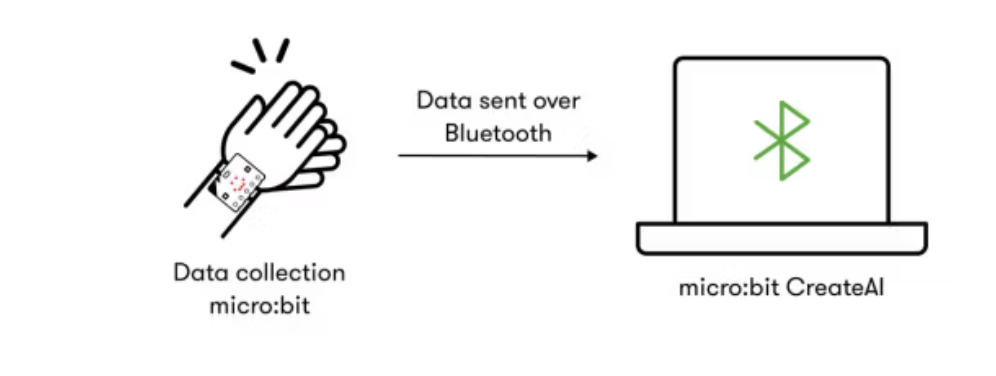
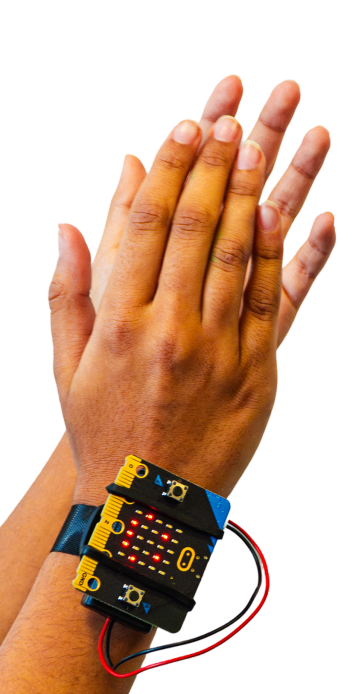
Discover how artificial intelligence and machine learning work by creating your own AI model using the BBC Micro:bit. Participants will train a model using motion data from their own movements, then run it directly on the device. Learn how sensors, data, and machine learning power smart technologies in this fun, hands-on workshop.
Learning Objectives
By the end of the session, participants will be able to:
1. Define machine learning and key terms (training, prediction).
2. Collect motion data using Micro:bit sensors.
3. Train a machine learning model using this data.
4. Test and evaluate the model on the Micro:bit.
Participation details
- Times: 16:00-16:45 (8 July) and 10:00-10:45 (9 July)
- Age group: 10+
- Language: English
- Number of participants: 20, no registrations
- Duration: 45 minutes
How do computers work
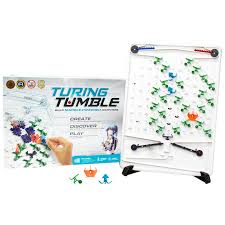
Experience how computers function without screens or code using Turing Tumble, a mechanical computer powered by marbles. Participants will solve logic puzzles, explore how circuits and logic gates operate, and build a deeper understanding of how hardware runs software.
Learning Objectives
By the end of the session, participants will be able to:
1. Explain basic logic operations (AND, OR, NOT).
2. Construct mechanical logic circuits using Turing Tumble.
3. Demonstrate how a series of logical instructions produces output.
4. Compare mechanical and digital computing methods.
Participation details
- Times: 11:00-11:45 (8 July) and 14:00-14:45 (9 July)
- Age group: 10+
- Language: English
- Number of participants: 20, no registrations
- Duration: 45 minutes
AI in practice: How to develop AI models that can control cars?
Create your own AI model that can control 4 wheel and 2 Wheel Robots. Participants will train a model using motion data (both body postures and hand pose), then run it directly on the Robot. Learn how sensors, cameras, data, and machine learning power smart technologies in this fun, hands-on workshop.
Learning Objectives
By the end of the session, participants will be able to:
1. Define machine learning and key terms (Training, Prediction, Hand Pose, Pose Net, Face Mesh).
2. Capture Motion Dats using Avishkaar Maker Studio.
3. Train a machine learning model using this data.
4. Test and evaluate the model on an Avishkaar ER Robot.
Participation details
- Times: 10:00-10:45 and 14:00-14:45 (8 July) and 16:00-16:45 (9 July)
- Capacity: 12
- Age group: 10+
- Language: English
- Number of participants: 12
- Duration: 45 minutes

Moon health Challenge: M.A.R.S Rover
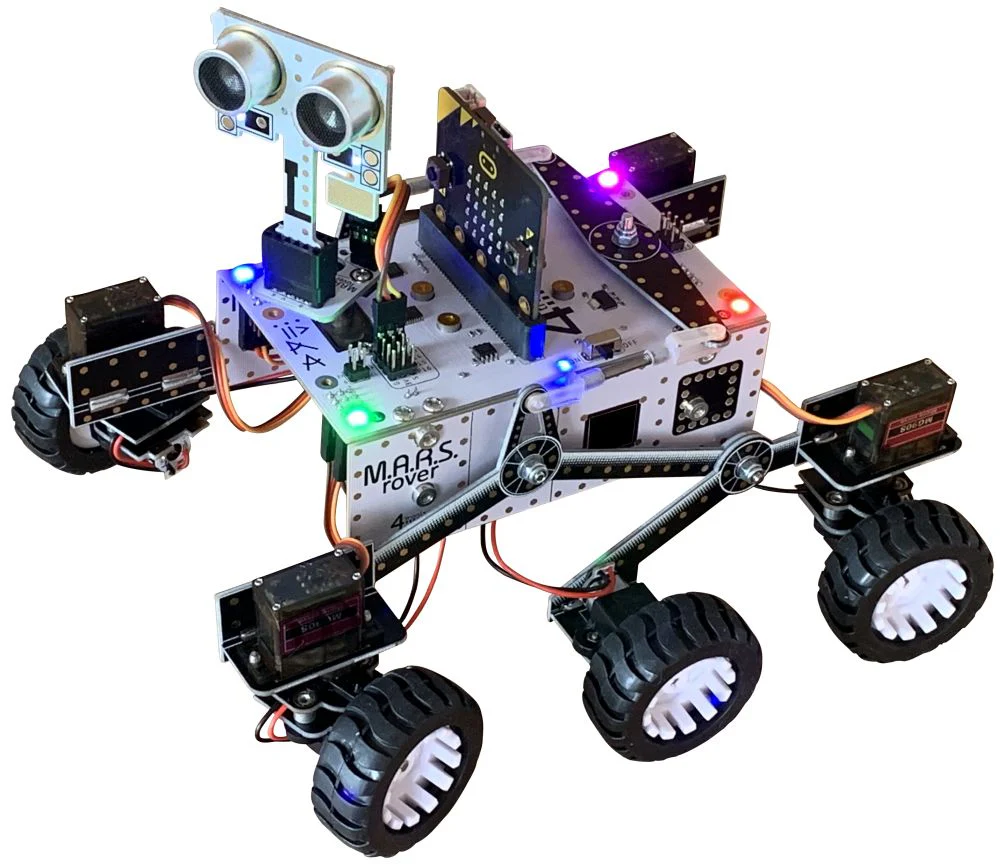
Join a space mission with the M.A.R.S Rover, a mobile, autonomous, robotic system inspired by NASA’s Curiosity rover and the BBC Microbit. Through building, coding, and global challenges-based problem solving, participants will explore robotics and planetary health challenges.
Learning Objectives
By the end of the session, participants will be able to:
1. Describe the core components of the M.A.R.S Rover system.
2. Build and program basic rover movement and behavior.
3. Apply robotics to simulate health/environmental challenges.
4. Collaborate on a creative solution based on solving global challenges.
Participation details:
- Times: 11:00-11:45
- Age group: 12+
- Language: English
- Number of participants: 20, no registrations
- Duration: 45 minutes
Prompts for the SDGS
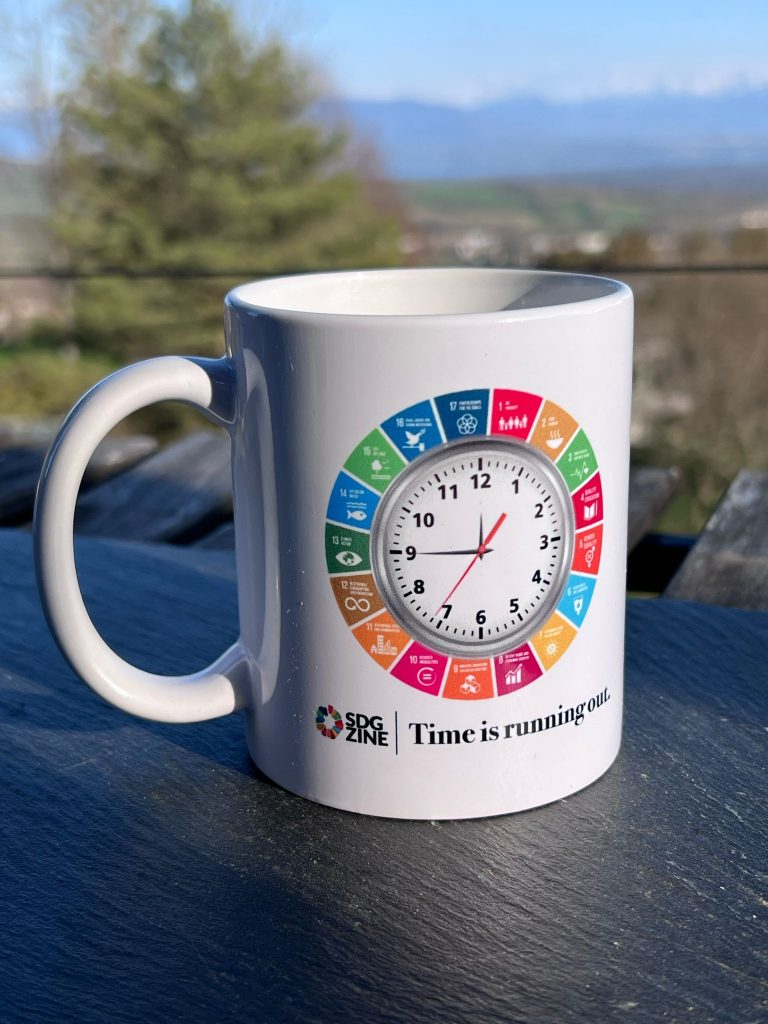
Prompts for the SDGs / Generative AI tools for the SDGzine
age: From 12 on
duration : 45 min
The Talking Collection: a multi-agent conversational system for museum collections
What if artworks could talk? This project, developed at the University of Geneva, explores this idea by giving a voice—and even a personality—to the casts of sculptures in its collection. The goal is simple but ambitious: to transform these static objects into real interlocutors capable of dialoguing with visitors, evoking their history, sharing their origins, but also arousing curiosity, reflection, and emotion.
AI in practice: How to develop AI models that teach you various folks dances of the world?
reate your own AI model that can control Dancing Robots. Participants will train a model using motion data (body postures, face mesh and hand pose), then run it directly on the Tweak Robot. The dances practices would be Kathakali (from Kerala, India), Salsa (from Latin America), Bhangra (from London). Learn how sensors, cameras, data, and machine learning power smart technologies in this fun, hands-on workshop.
Learning Objectives
By the end of the session, participants will be able to:
1. Define machine learning and key terms (Training, Prediction, Hand Pose, Pose Net, Face Mesh and various dance forms).
2. Capture Motion Dats using Avishkaar Maker Studio.
3. Train a machine learning model using this data.
4. Test and evaluate the model on an Avishkaar ER Robot.
Participation details
- Times: 13:00-13:45 and 15:00-15:45 (8 July), 13:00-13:45 (9 July)
- Age group: 5+
- Language: English
- Number of participants: 12
- Duration: 45 minutes
Motion Sensing GLove
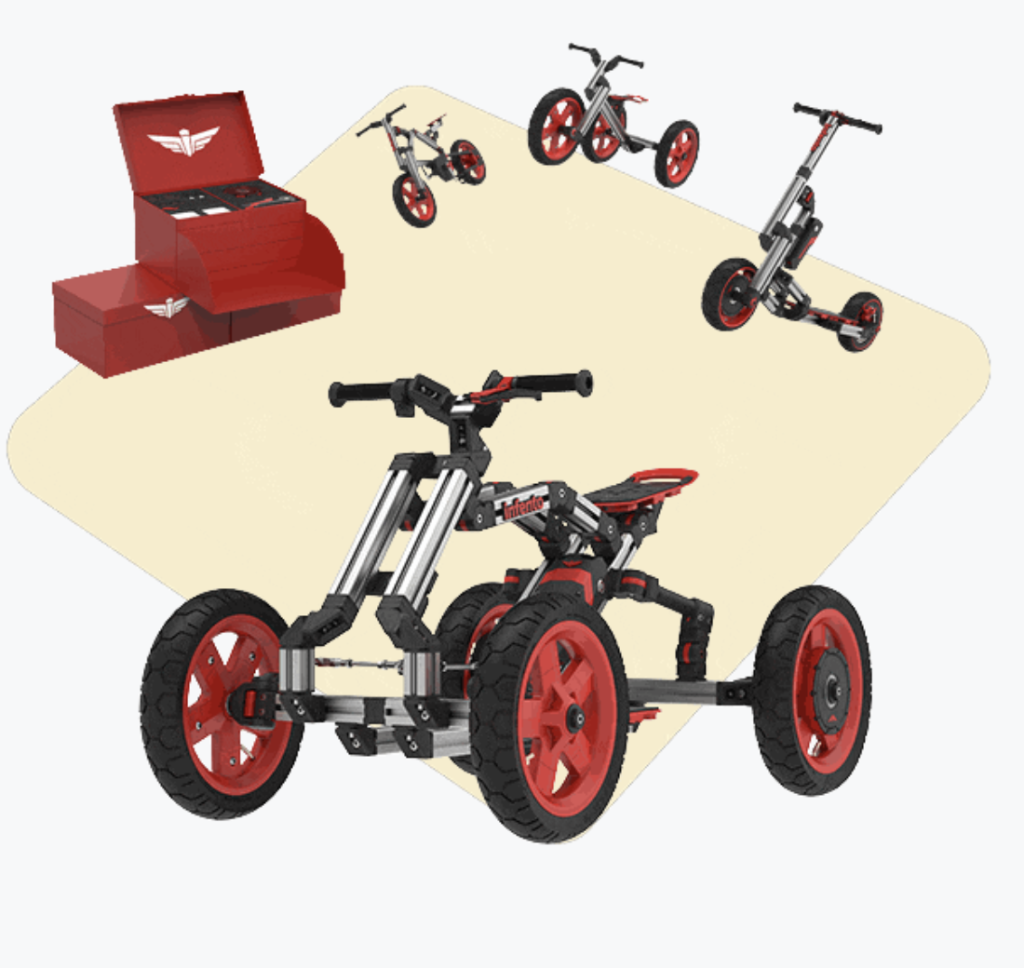
Addictlab Garage

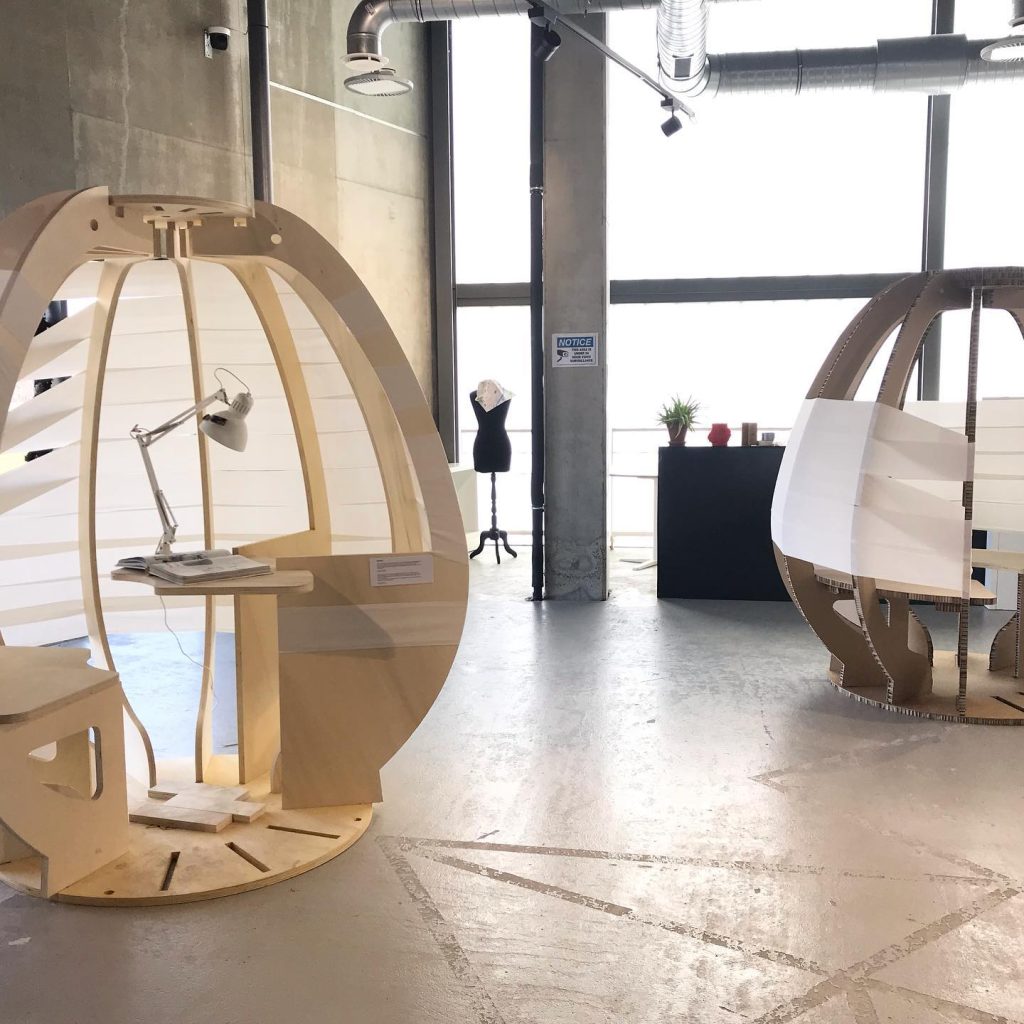
Shell/ter
Fête de la Science – France
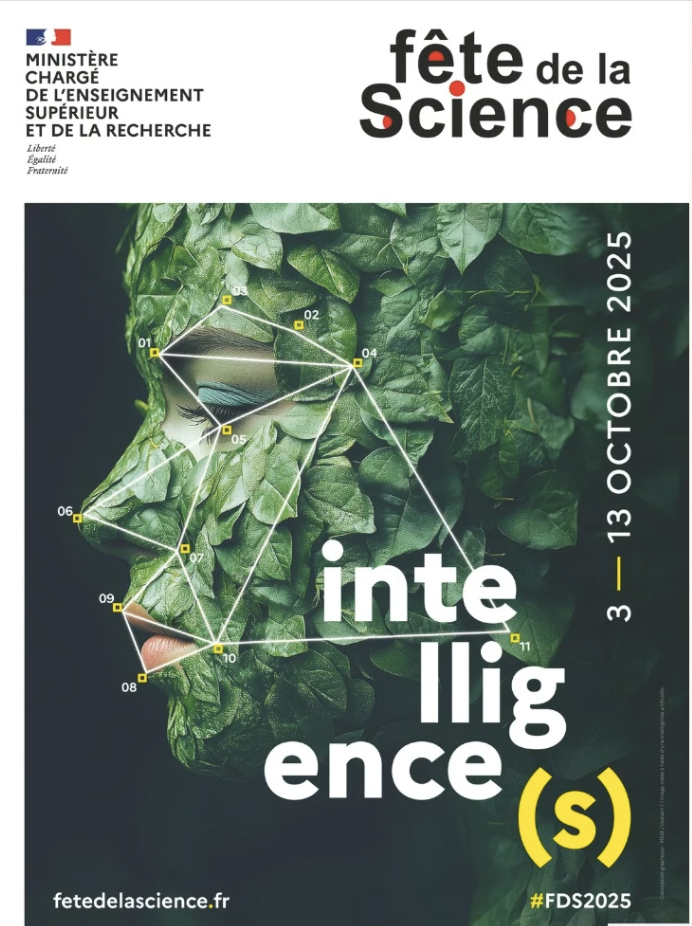
Presentation of the program Fête de la Science on Intelligence(s) – October 3 -13
SDGzine on Climate Action

Official release of the SDGzine on Climate Action, with contributions from partners, organisations and artists from all over the world.
.